
Home / Ranch & agricultural fencing
Salinas Valley · Monterey CountyRanch & Agricultural Fencing in Salinas, CA
Pasture, livestock, deer and boundary fencing for farms, ranches and rural parcels from Prunedale and Castroville to Chualar, Gonzales and Soledad.
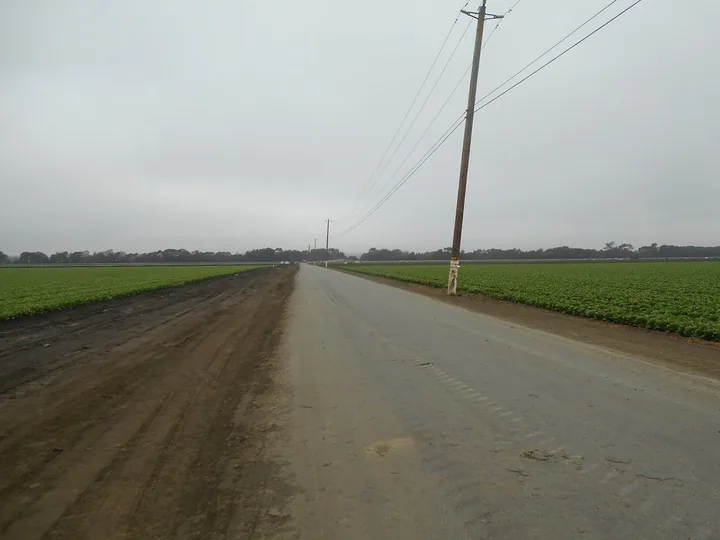
Fence lines that hold up for decades
Long agricultural runs depend on solid corner and brace assemblies, correct wire tension and posts set for the soil — sandy loam near the coast, heavier clay in the valley.
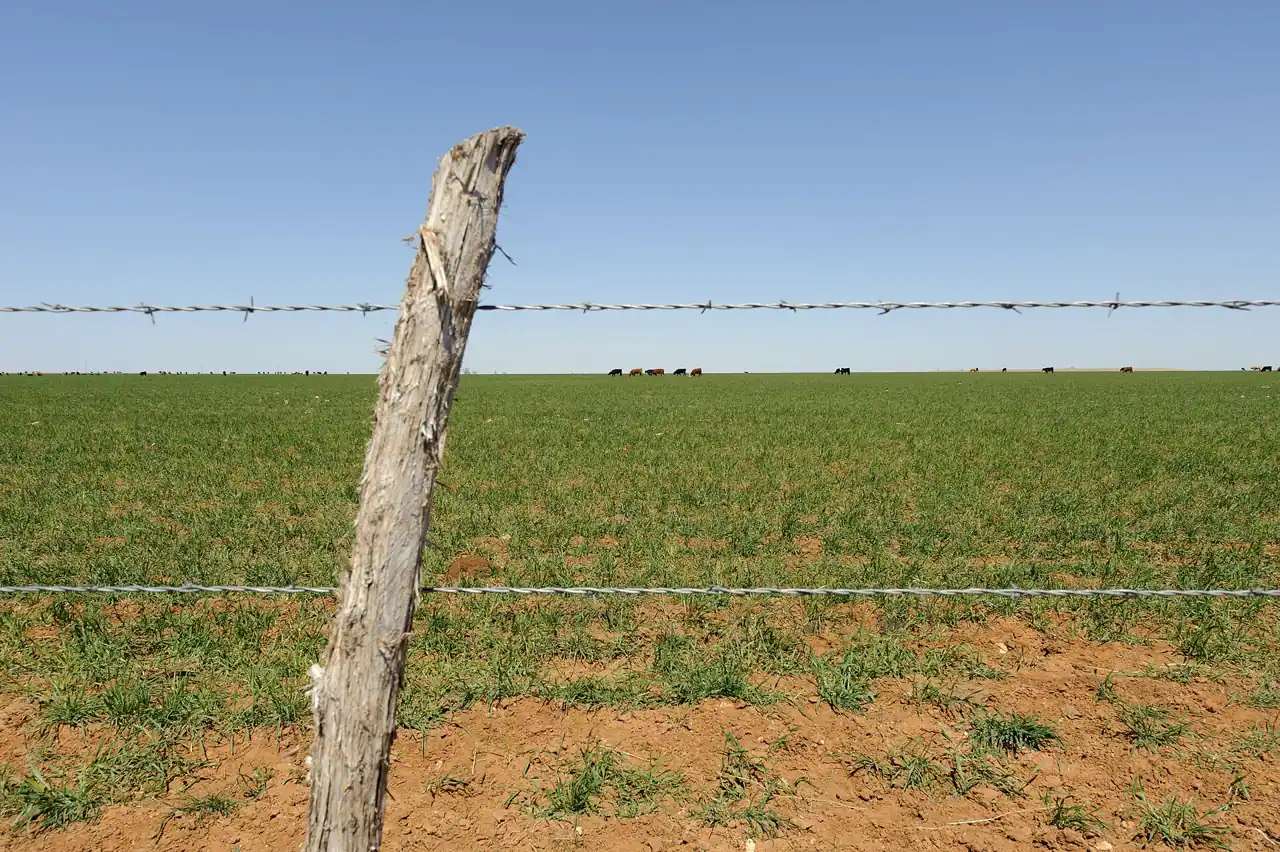
- Barbed wire (4–5 strand) for cattle
- Woven field fence and no-climb horse fence
- High-tensile smooth wire, fixed-knot game and deer fence
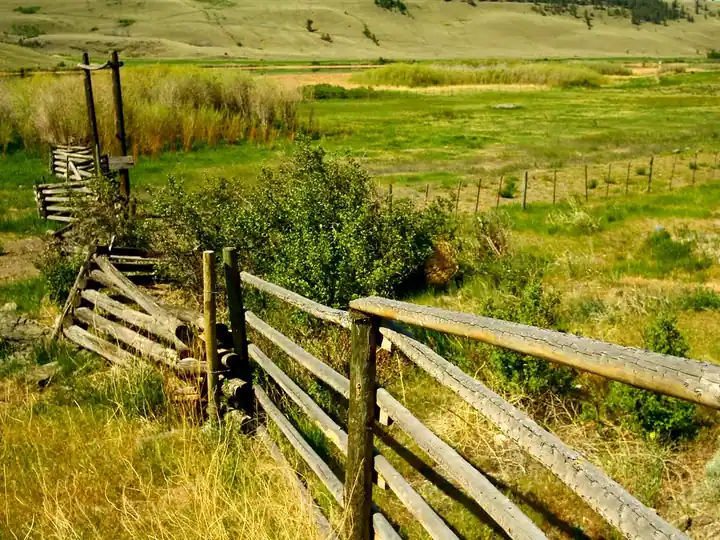
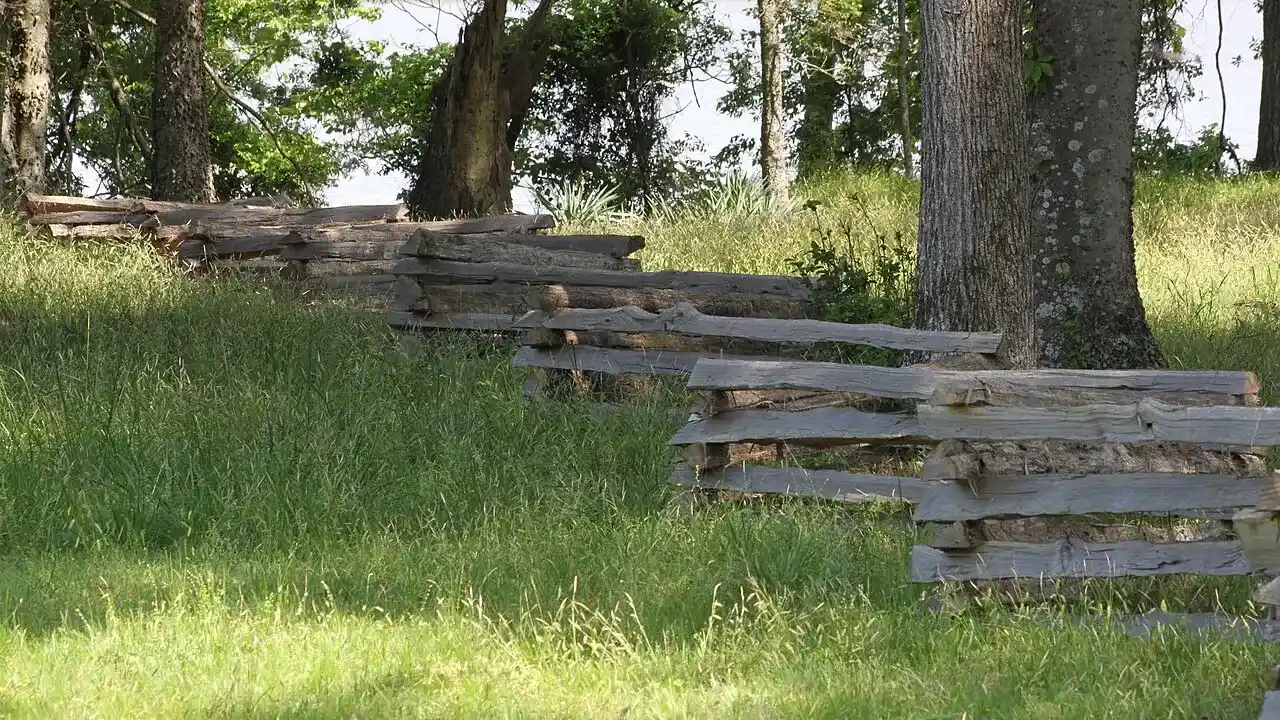
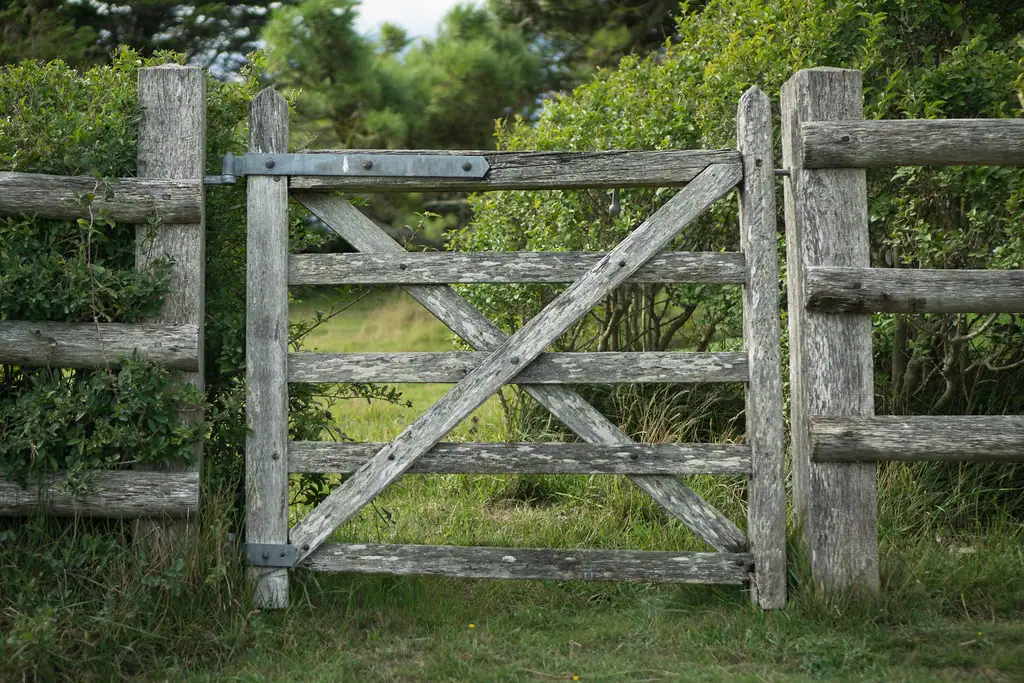
- Wood post-and-rail and split rail for homesteads
- Pipe and steel corral-style fencing
- Wide equipment gates, tube gates and cattle guards
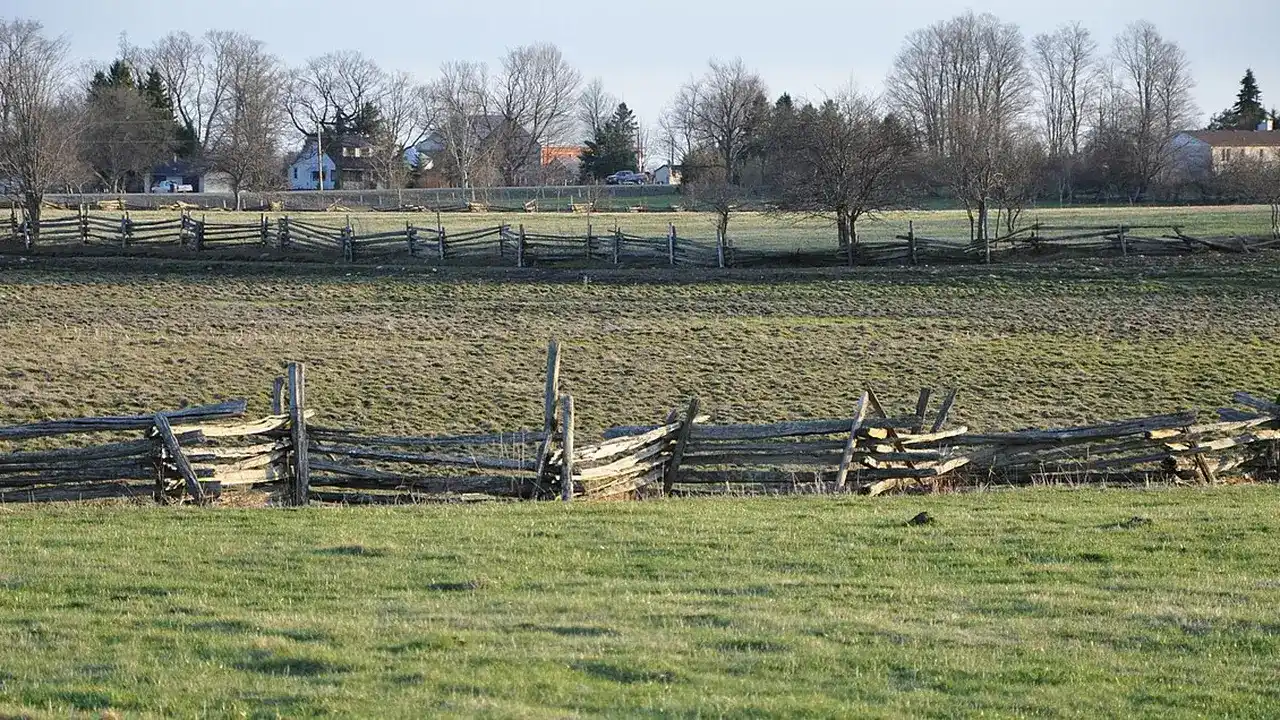
What to decide before the first post goes in
Start with what the fence must do: hold cattle, horses, goats or sheep; keep deer and wild pigs out of a garden, vineyard or orchard; or simply mark a boundary. That decides the wire type, height, post spacing and how many braces the line needs.
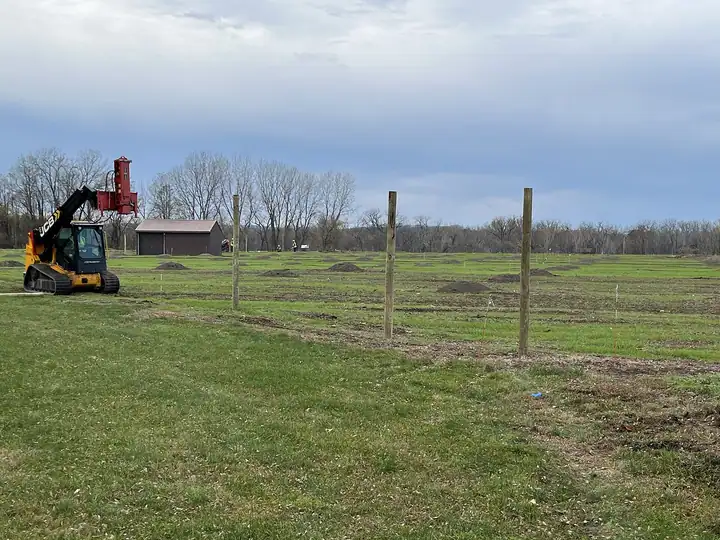
Long lines also need a clear route: survey stakes, access for an auger or post driver, and an 811 utility locate near roads and buildings (DigAlert (call 811)). For livestock fence budgets, Iowa State University Extension — livestock fencing costs publishes per-foot cost estimates by fence type; split rail with wire mesh runs about $35–$40 per foot installed per HomeGuide — split rail fence cost.
Fencing for working land
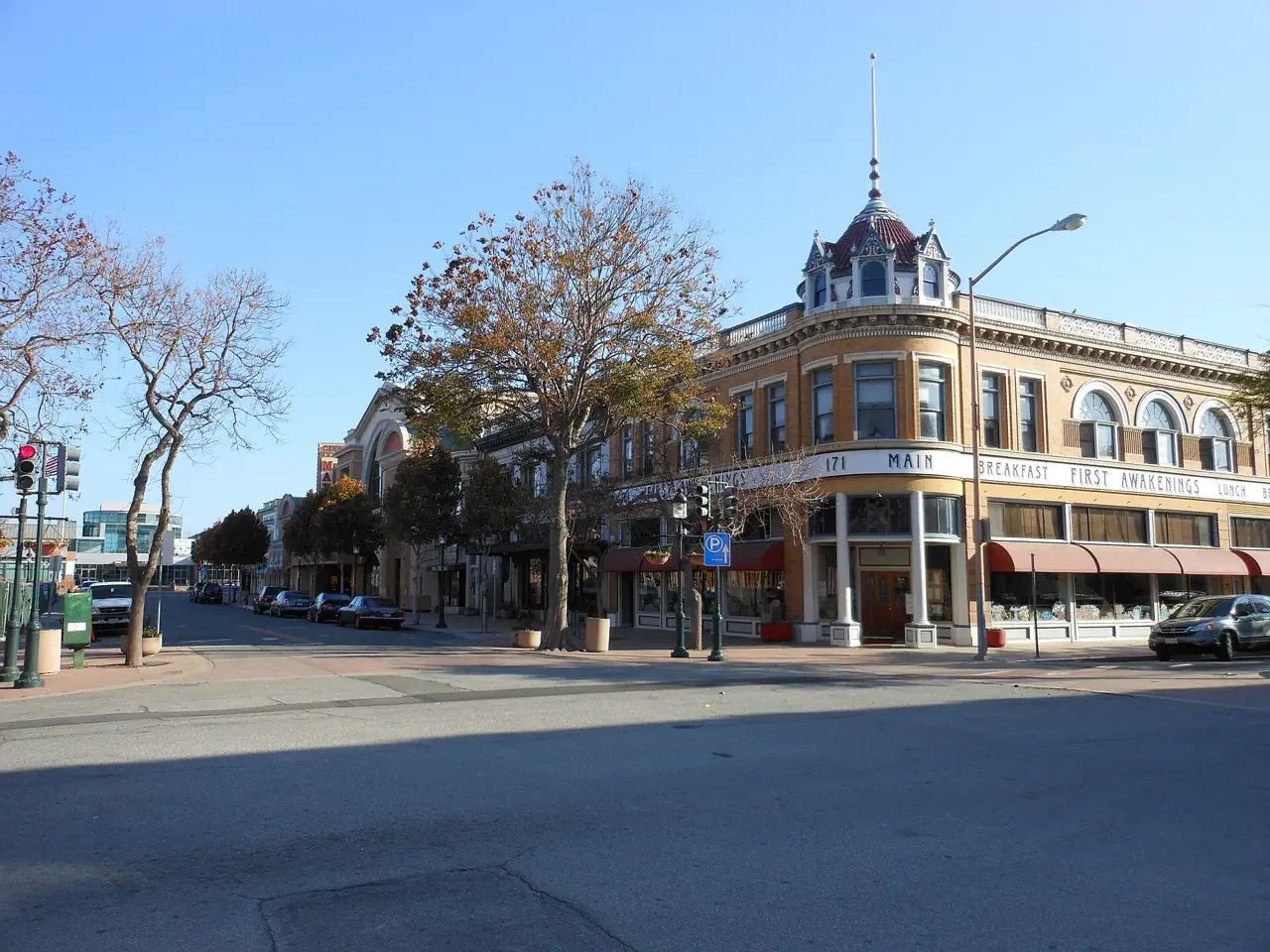
Pasture, row-crop edges, homesteads and rural home sites from the coast to south county.
Fencing acreage?
Tell us the length, the animals and the terrain — we follow up fast.
Fence questions, answered
What type of fence is best for cattle?
Four- or five-strand barbed wire or high-tensile wire on wood or steel posts, with strong H-brace corners, is the standard for cattle pasture.
What fence keeps deer out of a garden or orchard?
Deer fencing is usually 7–8 ft tall woven or fixed-knot wire. On farm and residential parcels, check your city or county height limits first.
How far apart should ranch fence posts be?
Line posts are commonly spaced 10–16 ft apart for barbed wire and closer for woven wire, with braced assemblies at corners, gates and long straight runs.
How long does fence installation take?
Most residential fences of 100–200 feet are built in one to three days once materials are on site. Ranch and agricultural lines, long gate runs and custom iron take longer. Allow time beforehand for measuring, neighbor notice and the 811 utility locate.
Get your ranch & ag fence quote
Tell us about your property and the fence you have in mind. We follow up to talk through materials, height, gates and a realistic price for your line.
- Share the basics — fence type, length, height, gates.
- Get a call back to talk through your project.
- Get a written estimate after a free measure.